
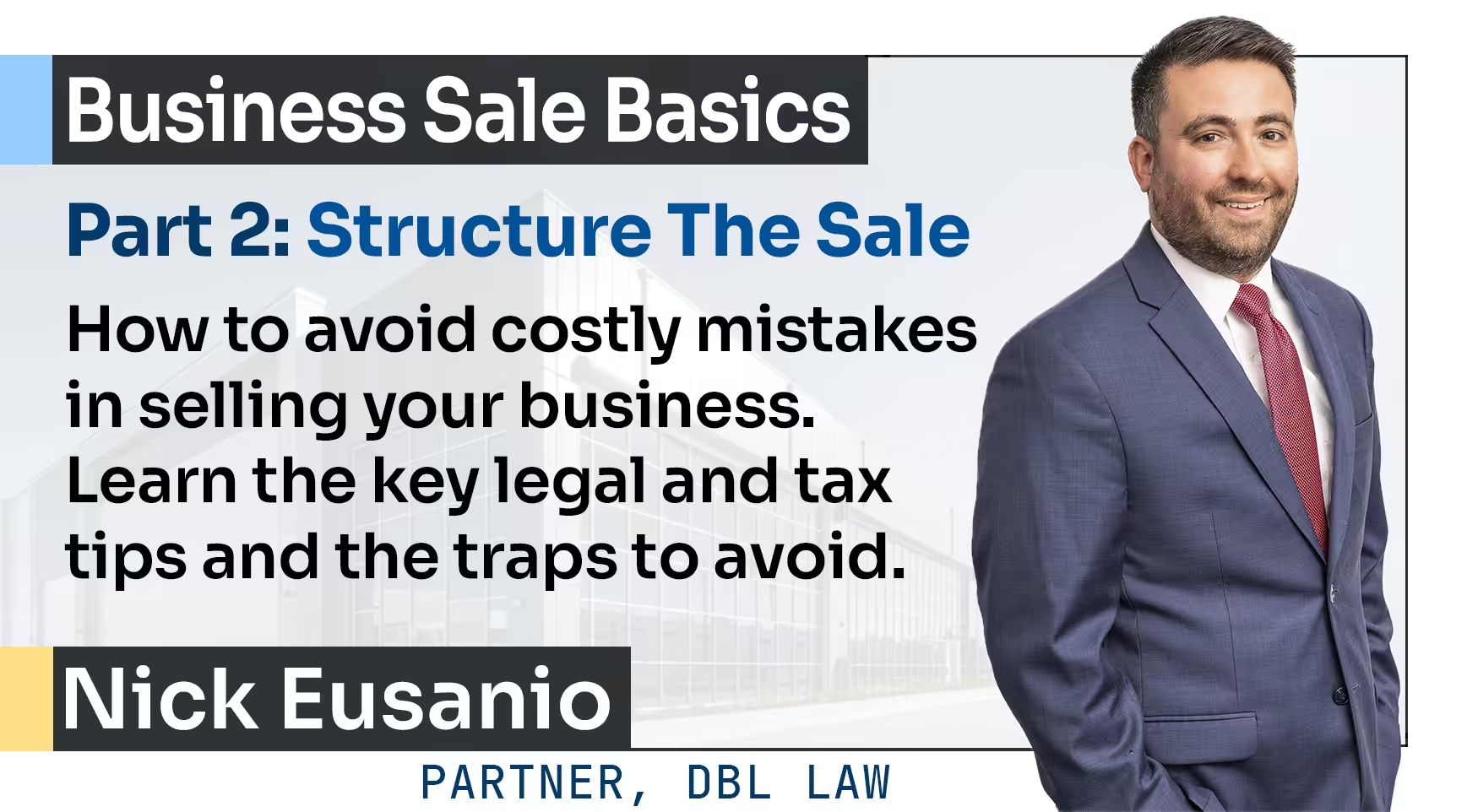

Avoid costly mistakes in selling your business. Learn the key legal and tax tips and traps to avoid in Part 2 of our Business Sale Basics series: Structure the Sale.
Selling a business comes with both opportunities and potential pitfalls. The structure of your sale can dramatically influence both your liability exposure and tax outcome. Choosing the right approach and understanding common issues can protect your proceeds and mitigate future risk.
1. Legal Considerations
Structuring the deal as an asset sale versus a stock sale is first a legal consideration (as well as tax, to follow) affecting liability and risk allocation. Buyers often prefer an asset sale to limit liability exposure, while sellers tend to prefer a stock sale for the same reason (as well as for tax purposes, to follow). The deal landscape is a balancing act, especially concerning risk allocation. A wise seller should consider the following items in structuring the sale.
- Understand the difference between asset and stock sales from a risk / liability allocation standpoint.
- Review the pieces that should have been prepared in initial seller due diligence (see our prior article: Prepare the Pieces, the first in this series).
- Carefully evaluate representations, warranties, indemnification, and mandatory dispute resolution clauses.
- Consider representations and warranties insurance if financially prudent.
2. Tax Considerations
Tax planning is central to structuring the sale. In an asset sale (or stock sale treated as an asset sale for tax purposes), how the purchase price is allocated—between tangible assets, intangible assets, goodwill, and inventory—affects the type and amount of tax you pay. In a stock sale, generally expect capital gains tax treatment assuming appropriate holding requirements are met. Consult with your tax advisor on the following to structure the sale to achieve the intended tax impact.
- Asset, Stock, or Stock (treated as Asset for tax purposes) sale tax impacts.
- For an Asset or Stock (treated as Asset for tax purposes), purchase price allocation and related tax implications (e.g., amount subject to ordinary tax / rate treatment vs. capital gains tax / rate treatment).
- IRS §§ 338(h)(10) or 336(e) elections.
- Tax gross-up provision in the purchase agreement.
- Tax compliance considerations (short and final year returns, additional required transactional reporting forms and statements, etc.).
- State and local tax considerations (are the impacts aligned to federal income tax outcomes / conformity? Or are there significant differences?).
3. Common Traps to Avoid
Certain oversights can erode buyer trust and reduce the purchase price, destroy the deal, or trigger post-closing disputes and liabilities. Smart sellers should anticipate and consider the below items to improve transparency and trust in the process (most of which should be caught in the Prepare the Pieces stage).
- Deferred compensation or bonuses.
- Ongoing liabilities, like employee benefits.
- Proper due diligence documentation and clearly and accurately stating facts.
4. Build Your Professional Advisory Team for a Smooth Sale
Engaging the right professional advisory team early (ideally in the Prepare the Pieces diligence phase, but certainly no later than the Structuring phase) is vital to a smooth, clean deal. Below are some considerations for structuring your deal-team and related processes.
- Engage legal, business, financial, and tax advisors early (e.g., attorneys, accountants / CPAs, valuations professionals, investment bankers, and wealth advisors).
- Identify and communicate your key goals and objectives, and chief ‘deal-killer’ items, to your professional advisory team.
- Communicate clearly with buyers.
- Follow standardized processes to streamline due diligence.
Thinking about selling your business? Start with a pre-sale consultation to evaluate your company’s readiness and identify strategies to preserve and maximize value. Connect with Nick Eusanio, Tax & Compliance Partner at DBL Law, to learn how proper tax planning and deal structure can help you achieve the best possible outcome.